Buy pstfr.com ?
We are moving the project
pstfr.com .
Are you interested in purchasing the domain
pstfr.com ?
domain@kv-gmbh.de · 0541-91531010
Buy pstfr.com ?
What is the difference between chlorine and chlorine dioxide?
Chlorine is a chemical element with the symbol Cl and is a strong oxidizing agent commonly used for disinfection purposes. Chlorine dioxide, on the other hand, is a chemical compound with the formula ClO2 and is also used as a disinfectant but is considered to be a more effective and safer alternative to chlorine. Chlorine dioxide is a yellow to reddish gas at room temperature, while chlorine is a greenish-yellow gas. Additionally, chlorine dioxide is less likely to form harmful byproducts compared to chlorine. **
Why do two chlorine atoms combine to form a chlorine molecule?
Two chlorine atoms combine to form a chlorine molecule because each chlorine atom has seven electrons in its outer shell, making them highly reactive and likely to form a covalent bond. By sharing one electron each, the two chlorine atoms can achieve a stable electron configuration with a full outer shell of eight electrons, similar to the noble gas configuration. This sharing of electrons allows the two atoms to become more stable and lower their overall energy, forming a strong bond between them. **


Similar search terms for Chlorine
Top-Angebote
Products related to Chlorine:
-
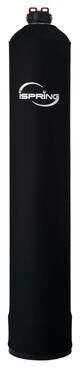
iSpring WF1054 Whole House Water Filter, Reduces PFAS & ChlorineSuperior Water Filtration Technology: Harness the potential of the iSpring WF1054 whole house water filtration system, uniting high-quality KDF and coconut shell activated carbon.1273,99 $*Shipping: 0,00 $Secure redirect to the provider
-
iSpring WF1024 Whole House Water Filter, Reduces PFAS & ChlorineCutting-Edge Water Filtration: Encounter the exceptional iSpring WF1024 whole house water filtration system, integrating the potent combination of premium KDF and coconut shell activated carbon.812,49 $*Shipping: 0,00 $Secure redirect to the provider
-
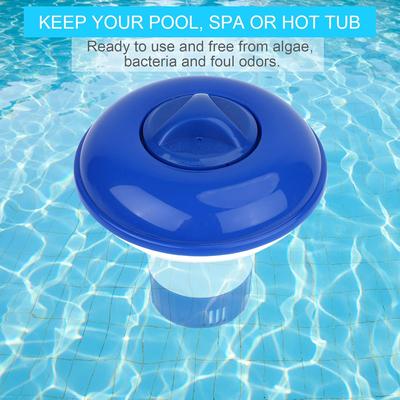
The Handy Homestead Adjustable Floating Chlorine Dispenser For Pools Spas And Hot Tubs Adjustable Floating Chlorine Dispenser For Pools Spas And Hot TubsKeep your water cleaner, clearer, and swimready with less daily effort. This floating chlorine dispenser slowly releases tablets as it moves across the water, helping maintain balanced sanitation in pools, spas, and hot tubs. Designed for easy use,...29,97 $*Shipping: 0,00 $Secure redirect to the provider
-
Inspire Daily Merch Wooden Flower Buttons Hole Flat Back Buttons For Womens Sweaters Overcoats Apparel Accessories black 18mmEnhance Your Apparel with 10PCS Wooden Flower Buttons Add a touch of charm to your wardrobe with these 10PCS Wooden Flower Buttons. Designed with a 2hole flatback structure, these beautiful buttons are the perfect addition to your sweaters,...49,97 $*Shipping: 0,00 $Secure redirect to the provider


-
How do I remove yellow chlorine stains from my white pants?
To remove yellow chlorine stains from white pants, you can try soaking the affected area in a mixture of water and white vinegar for about 30 minutes. Then, gently scrub the stain with a mixture of water and baking soda using a soft-bristled brush. After scrubbing, wash the pants in the washing machine with a detergent that contains bleach alternative. Finally, air dry the pants to see if the stain has been completely removed. If the stain persists, you may need to repeat the process or seek professional help. **
-
Does chlorine damage hair?
Chlorine can damage hair by stripping away its natural oils, leading to dryness and brittleness. It can also cause the hair cuticle to become rough and frayed, making the hair more prone to breakage and split ends. To minimize damage from chlorine, it is recommended to wet the hair with clean water before swimming, use a swim cap, and rinse the hair thoroughly with fresh water after swimming to remove chlorine residue. Additionally, using a clarifying shampoo or deep conditioning treatment can help restore moisture and repair any damage caused by chlorine exposure. **
-
What are chlorine vapors?
Chlorine vapors are the gaseous form of chlorine, a highly reactive and toxic chemical element. These vapors are produced when chlorine gas evaporates into the air. Inhalation of chlorine vapors can cause irritation to the respiratory system, eyes, and skin, and can be harmful or even fatal in high concentrations. Chlorine vapors are commonly used in disinfectants, bleaches, and water treatment processes. **
-
How is chlorine inhaled?
Chlorine can be inhaled when it is released into the air as a gas. This can happen when chlorine-containing products, such as bleach or cleaning agents, are used in poorly ventilated areas. Inhaling chlorine gas can irritate the respiratory system, causing symptoms such as coughing, chest tightness, and difficulty breathing. It is important to always use chlorine products in well-ventilated areas to minimize the risk of inhaling the gas. **


Why doesn't chlorine dissolve?
Chlorine is a gas at room temperature and pressure, and it does not dissolve in water because it is not polar. Water is a polar molecule, meaning it has a positive and negative end, which allows it to dissolve other polar substances. However, chlorine is nonpolar, so it does not interact with water molecules in a way that allows it to dissolve. Instead, chlorine reacts with water to form a mixture of hydrochloric acid and hypochlorous acid. **
How is chlorine used?
Chlorine is commonly used for disinfection in water treatment plants to kill bacteria, viruses, and other microorganisms. It is also used in the production of a wide range of products including plastics, solvents, pesticides, and pharmaceuticals. In addition, chlorine is used in the production of bleach for cleaning and disinfecting purposes. Overall, chlorine plays a crucial role in maintaining public health and safety, as well as in various industrial processes. **
Top-Angebote
Products related to Chlorine:
-
BP4U Heavy Duty Metal Clothes Hangers with Pants Bar, Wire Hangers with Beech Wood Trouser Bar for Sweaters, Jackets, JeansMaximize your close BP4U Metal Wire Hangers with Wood Pant Bar. This premium solution features a hybrid durable design: a heavy-duty metal wire frame is paired with a smooth beech wood pants bar.33,99 $*Shipping: 0,00 $Secure redirect to the provider
-
iSpring WCF200K Whole House Water Filter, Reduces Chlorine & PFASAdvanced Filter Media: Utilizes premium KDF55 and high quality coconut shell activated carbon to effectively remove chlorine, lead, heavy metals, PFAS, chloramine, radon, herbicides, and more.2863,79 $*Shipping: 0,00 $Secure redirect to the provider
-
iSpring WF1054 Whole House Water Filter, Reduces PFAS & ChlorineSuperior Water Filtration Technology: Harness the potential of the iSpring WF1054 whole house water filtration system, uniting high-quality KDF and coconut shell activated carbon.1273,99 $*Shipping: 0,00 $Secure redirect to the provider
-
iSpring WF1024 Whole House Water Filter, Reduces PFAS & ChlorineCutting-Edge Water Filtration: Encounter the exceptional iSpring WF1024 whole house water filtration system, integrating the potent combination of premium KDF and coconut shell activated carbon.812,49 $*Shipping: 0,00 $Secure redirect to the provider
-
What is the difference between chlorine and chlorine dioxide?
Chlorine is a chemical element with the symbol Cl and is a strong oxidizing agent commonly used for disinfection purposes. Chlorine dioxide, on the other hand, is a chemical compound with the formula ClO2 and is also used as a disinfectant but is considered to be a more effective and safer alternative to chlorine. Chlorine dioxide is a yellow to reddish gas at room temperature, while chlorine is a greenish-yellow gas. Additionally, chlorine dioxide is less likely to form harmful byproducts compared to chlorine. **
-
Why do two chlorine atoms combine to form a chlorine molecule?
Two chlorine atoms combine to form a chlorine molecule because each chlorine atom has seven electrons in its outer shell, making them highly reactive and likely to form a covalent bond. By sharing one electron each, the two chlorine atoms can achieve a stable electron configuration with a full outer shell of eight electrons, similar to the noble gas configuration. This sharing of electrons allows the two atoms to become more stable and lower their overall energy, forming a strong bond between them. **
-
How do I remove yellow chlorine stains from my white pants?
To remove yellow chlorine stains from white pants, you can try soaking the affected area in a mixture of water and white vinegar for about 30 minutes. Then, gently scrub the stain with a mixture of water and baking soda using a soft-bristled brush. After scrubbing, wash the pants in the washing machine with a detergent that contains bleach alternative. Finally, air dry the pants to see if the stain has been completely removed. If the stain persists, you may need to repeat the process or seek professional help. **
-
Does chlorine damage hair?
Chlorine can damage hair by stripping away its natural oils, leading to dryness and brittleness. It can also cause the hair cuticle to become rough and frayed, making the hair more prone to breakage and split ends. To minimize damage from chlorine, it is recommended to wet the hair with clean water before swimming, use a swim cap, and rinse the hair thoroughly with fresh water after swimming to remove chlorine residue. Additionally, using a clarifying shampoo or deep conditioning treatment can help restore moisture and repair any damage caused by chlorine exposure. **
Similar search terms for Chlorine
-
The Handy Homestead Adjustable Floating Chlorine Dispenser For Pools Spas And Hot Tubs Adjustable Floating Chlorine Dispenser For Pools Spas And Hot TubsKeep your water cleaner, clearer, and swimready with less daily effort. This floating chlorine dispenser slowly releases tablets as it moves across the water, helping maintain balanced sanitation in pools, spas, and hot tubs. Designed for easy use,...29,97 $*Shipping: 0,00 $Secure redirect to the provider
-
Inspire Daily Merch Wooden Flower Buttons Hole Flat Back Buttons For Womens Sweaters Overcoats Apparel Accessories black 18mmEnhance Your Apparel with 10PCS Wooden Flower Buttons Add a touch of charm to your wardrobe with these 10PCS Wooden Flower Buttons. Designed with a 2hole flatback structure, these beautiful buttons are the perfect addition to your sweaters,...49,97 $*Shipping: 0,00 $Secure redirect to the provider
-
BP4U S-Shaped Opening Metal Coat Hangers with Wooden Pants Bar, Reinforced Wire Clothers Hangers for Sweaters, ShirtsThe BP4U Metal Hangers with S-Shaped Opening are the revolutionary solution for protecting your knitwear and maximizing closet space.34,99 $*Shipping: 0,00 $Secure redirect to the provider
-
BP4U Heavy Duty Metal Clothes Hangers with Pants Bar, Wire Hangers with Beech Wood Trouser Bar for Sweaters, Jackets, JeansMaximize your close BP4U Metal Wire Hangers with Wood Pant Bar. This premium solution features a hybrid durable design: a heavy-duty metal wire frame is paired with a smooth beech wood pants bar.47,99 $*Shipping: 0,00 $Secure redirect to the provider
-
What are chlorine vapors?
Chlorine vapors are the gaseous form of chlorine, a highly reactive and toxic chemical element. These vapors are produced when chlorine gas evaporates into the air. Inhalation of chlorine vapors can cause irritation to the respiratory system, eyes, and skin, and can be harmful or even fatal in high concentrations. Chlorine vapors are commonly used in disinfectants, bleaches, and water treatment processes. **
-
How is chlorine inhaled?
Chlorine can be inhaled when it is released into the air as a gas. This can happen when chlorine-containing products, such as bleach or cleaning agents, are used in poorly ventilated areas. Inhaling chlorine gas can irritate the respiratory system, causing symptoms such as coughing, chest tightness, and difficulty breathing. It is important to always use chlorine products in well-ventilated areas to minimize the risk of inhaling the gas. **
-
Why doesn't chlorine dissolve?
Chlorine is a gas at room temperature and pressure, and it does not dissolve in water because it is not polar. Water is a polar molecule, meaning it has a positive and negative end, which allows it to dissolve other polar substances. However, chlorine is nonpolar, so it does not interact with water molecules in a way that allows it to dissolve. Instead, chlorine reacts with water to form a mixture of hydrochloric acid and hypochlorous acid. **
-
How is chlorine used?
Chlorine is commonly used for disinfection in water treatment plants to kill bacteria, viruses, and other microorganisms. It is also used in the production of a wide range of products including plastics, solvents, pesticides, and pharmaceuticals. In addition, chlorine is used in the production of bleach for cleaning and disinfecting purposes. Overall, chlorine plays a crucial role in maintaining public health and safety, as well as in various industrial processes. **
* All prices are inclusive of VAT and, if applicable, plus shipping costs. The offer information is based on the details provided by the respective shop and is updated through automated processes. Real-time updates do not occur, so deviations can occur in individual cases. ** Note: Parts of this content were created by AI.